In Costa Rica, Friendships are Forged in Unlikely Places
Happy International Friendship Day!
According to the United Nations, July 30th is the officially recognized Dia de Amistad. Now having said that, it always feels like Friendship Day in beautiful Costa Rica.
If you’ve ever visited this happy country, it’s highly likely you remember how amazing the people are. Our guests are always telling us that in addition to the spectacular wildlife and the gorgeous ocean views, they’ll always remember the hospitality, warm nature and friendliness of the Ticos they met on their vacation.
You’ll get to experience the lovely Pura Vida culture on adventure tours, while dining at one of the many amazing restaurants in the southern zone, and of course from yours truly… the staff of YouGetHere.
But did you know that this level of friendship isn’t just reserved for humans?
Here are four examples of how even the animals of Costa Rica take friendliness to the next level.
Sea Turtles Spas and Suckerfish
If you plan to visit Cano Island, be sure to shoot us an email right here, so we can secure your passes in advance to this protected marine environment.
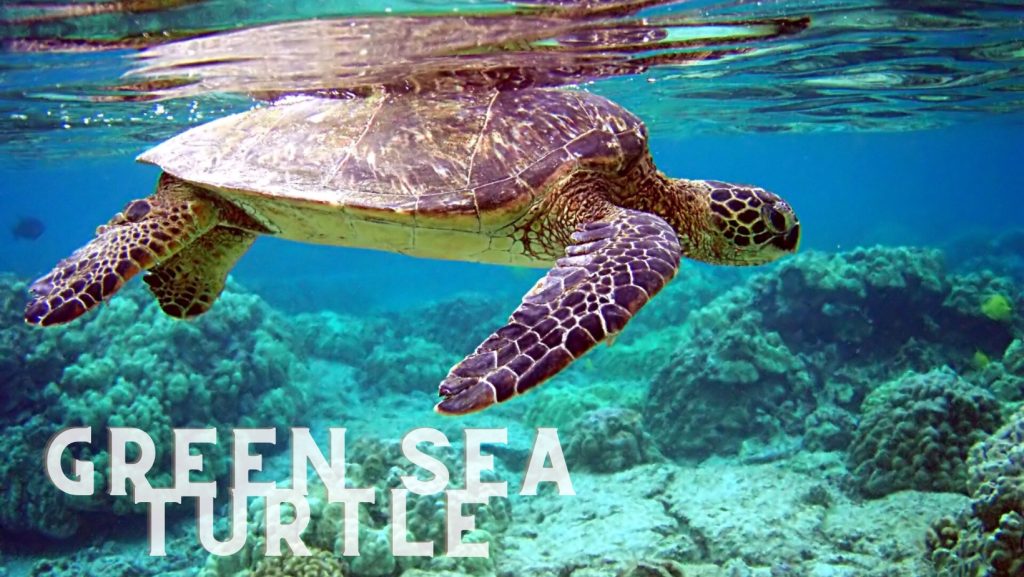
On the boat ride to the island you’ll be searching for whales and dolphins, but remember to look out for sea turtles as well.
Sea turtles swimming around the island might have a fellow friend literally suction-cupped to their bodies. This is the Remora fish, aka suckerfish.
They are quite slender and therefore they don’t add much friction to the turtles glide through the water. The ones around Cano Island are usually about a foot long, but they can grow up to 3 feet in length. They use their suction-cups to hold on tight.
Don’t worry, this is not a free-ride, they are cleaning and devouring any parasites and bacteria that have latched onto their friend’s back. I mean, who wouldn’t enjoy a nice back scratch in one of the most beautiful destinations on earth?
The sea turtle is quite astute in his friend selection. In fact, Hawksbill and Olive Ridley turtles have been known to “pose,” with flippers out, so their fishy friends can really get into those hard to reach crevices. This spa-day exfoliation experience comes courtesy of smaller reef fish like the ‘cleaner wrasses’ who love a hearty snack of dead skin, parasites and algae.
While the sea turtles get a bath and become less vulnerable to infections, the friendly fish get a meal full of nutrients to help them thrive.
Feathered Forest Gardeners

Costa Rica is a birding paradise. But you don’t need to be an Ornithophile to enjoy the beauty of wild birds, like toucans and macaws. Bright yellow-chested toucans are spotted daily at all of our luxury villas, such as Tulu Azul, in the southern Pacific.
Rainbow-colored macaws love to hang out near the beachfront villas of Caballitos Del Mar, and are spotted frequently all around Playa Dominical.
Toucans are aptly known as the “forest gardeners” and provide a great service to the Osa’s many large-seed fruit trees.
Like any good gardener, the chestnut-mandible Toucan covers large distances, dispersing the seeds of the fruit trees wherever it goes.
Without this mutualist partnership, the large-seeded trees would never have the opportunity to spread far and wide throughout the Osa. So when you spot (and hear) a toucan swooping overhead at your vacation villa pool, give a “Cheers!” to these feathered friends of the forest!
Won’t You Be My Neighbor?
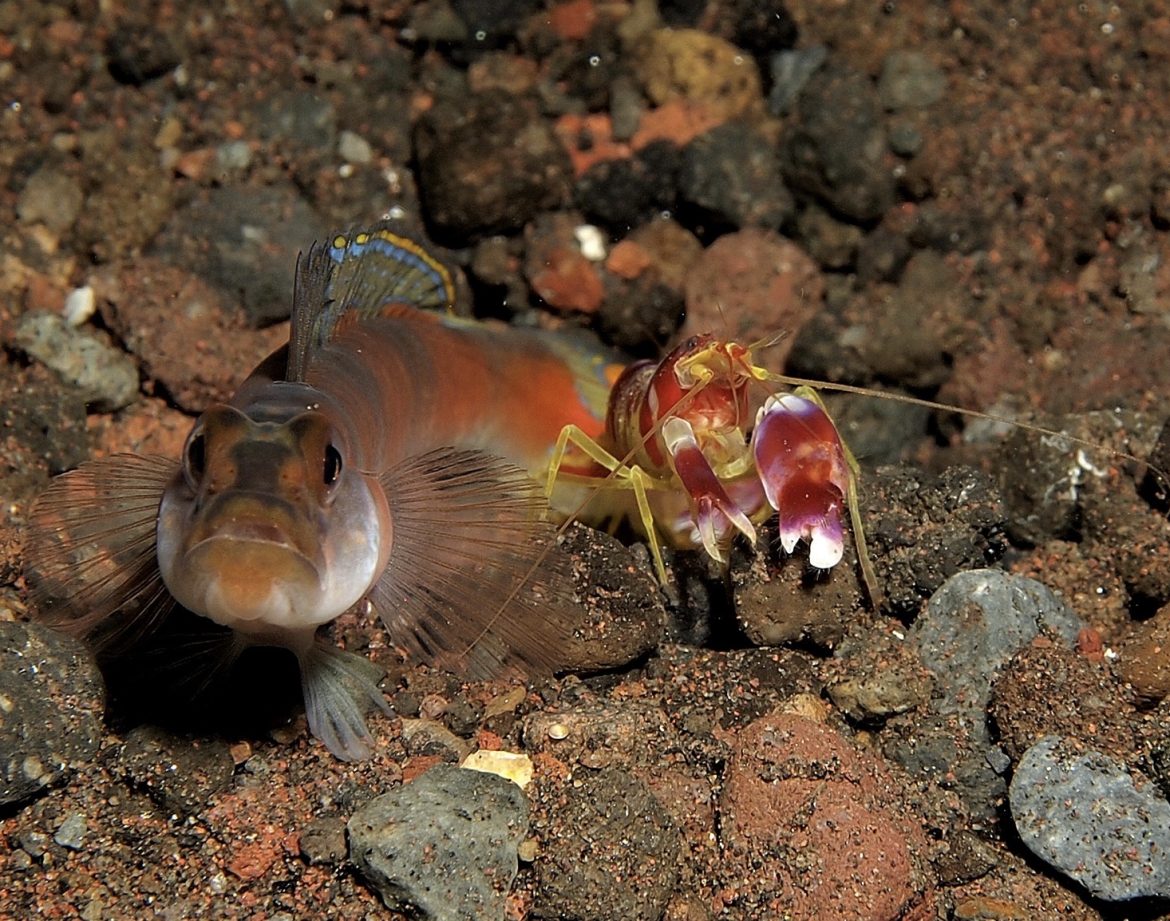
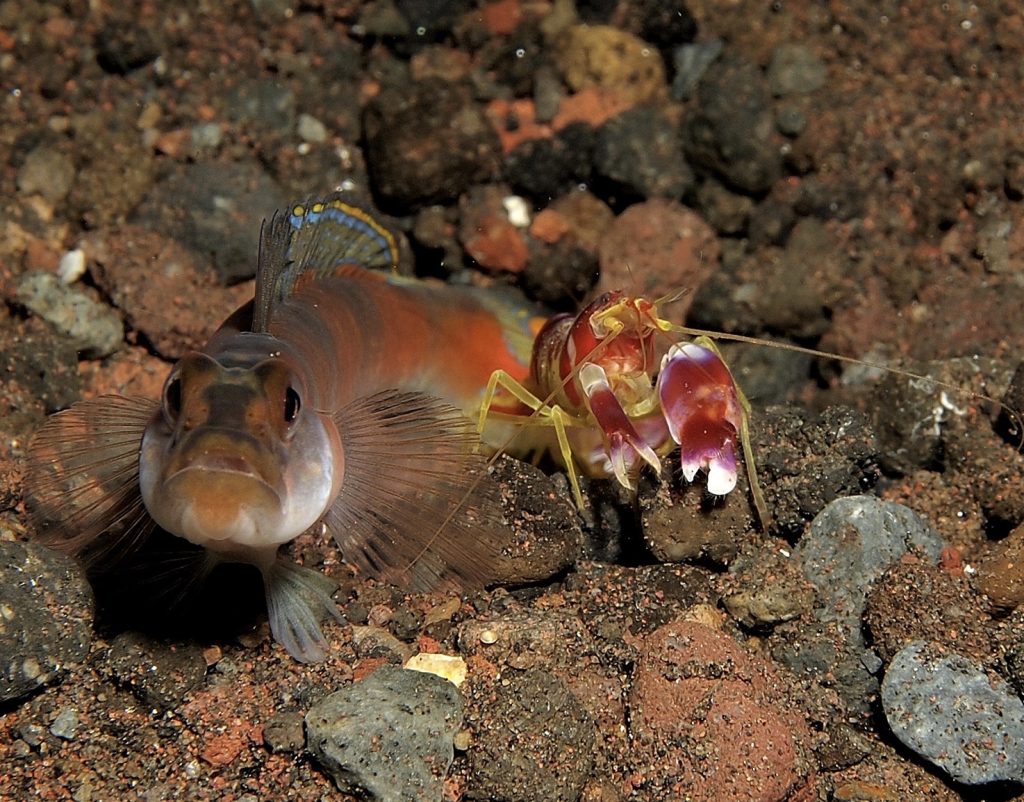
If you head out for a relaxing kayak trip through the mangroves, you’ll want to know about this fabulous friendship. Just beneath your kayak is the neighboring duo of The Goby and The Shrimp.
Staying safe in the Terraba-Sierpe mangroves is tough when you are virtually blind, like the pistol shrimp. But do not worry, because this little shrimp has an awesome neighbor with exceptional eyesight. The Goby fish.
During a mangrove kayak adventure, keep your eyes peeled for little puffs of sandy water below you. The pistol shrimp is hard at work below, excavating and bulldozing tunnels in the sand where he can hide and raise his baby shrimps in safety. This tunneling process leaves the shrimp quite vulnerable to predators.
This is where their sharp-eyed lookouts, the gobies, lend a neighboring hand. As the shrimp tunnels, he keeps his antennae touching his goby friend’s tail at all times. If the Goby spots danger, like your kayak paddle, or a predator fish, he quickly twitches his tail, and the two buddies retreat into the hole together. Now that’s one besty we can all appreciate.
Pollinating Pals: Pizotes, Kinkajous and their Balsa tree buddies

You can read all about Pizotes, also known as white-nose coatis, on one of our previous deep-dive blogs. But we’d like to tell you about their budding friendship with the Balsa tree.
Pizotes can be found visiting the flowers of the Balsa tree for nectar hydration during the dry season in Costa Rica. Near Villa Dalu, when food is scarce and rainfall is low, their buddy the Balsa really comes to the rescue.
This beautiful flower is cream-colored and large in size. If you’ve had too much guaro or margarita mix, you could possibly mistake the flower for an oversized ice-cream cone. The center of the flower can hold up to an inch of nutrient-dense nectar. Even more impressive, they bloom at dark and will refill with nectar multiple times throughout the night.
So the Pizote got some much needed nutrients and hydration when his other favorite plants had gone dormant. But the Balsa buddy benefits as well.
As the Pizote shoves its long snout into the flower, she gets completely dusted with pollen. As she climbs up the next tree she generously helps transfer that pollen all over the place, ensuring her beloved Balsa will reproduce and multiply throughout the jungle.
This entire process occurs with another fellow late night foragers, the Kinkajou. The Kinkajou uses its long tongue to slurp up some nectar and ends up with a pollen mustache. The Balsa tree never tires of these visiting friends and will in fact refill as many as seven times in a night to invite the Kinkajous and Pizotes back for more.
And there you have it, great friends!
The Costa Rica jungle is a place where forces of nature collide on a daily basis, establishing beneficial, and often strange, relationships between different species. It’s the type of special friendships that we, as humans, should all strive to embrace.