By the Dozen: Let’s Take a Look at Each National Holiday in Costa Rica
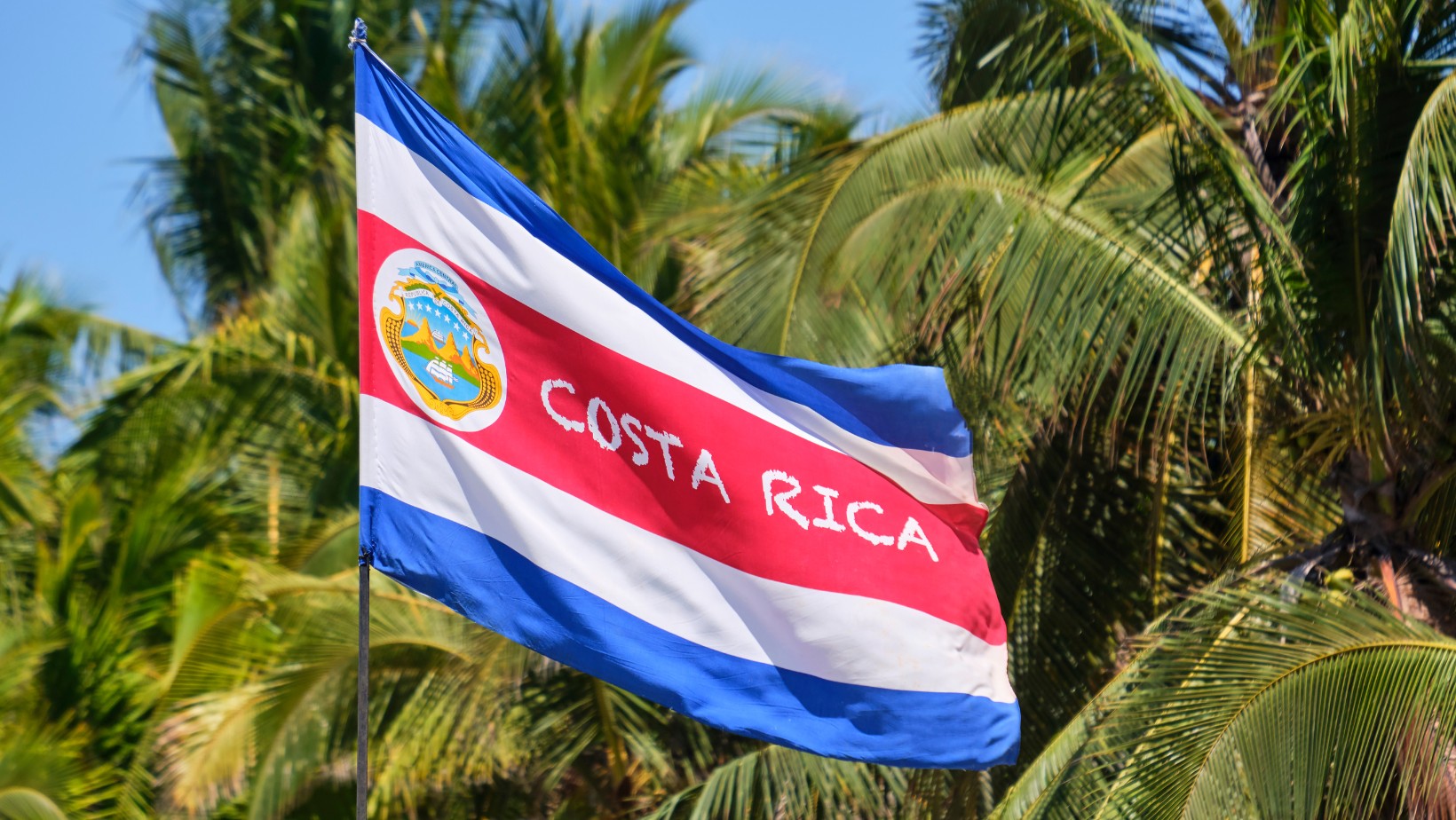
There are 12 national holidays in Costa Rica.
In this YouGetHere Vacation Rentals blog, we are going to supply a brief description of each holiday on the Costa Rica calendar.
If you’re lucky enough to visit the country during one of these special occasions, try to take time out of your day to enjoy a local festivity or two. Because the Costa Ricans, or Ticos, that we know really enjoy sharing their holidays with visitors. It’s a special time for everyone, so don’t be afraid to get in the mix and have a good time.
A Quick Start to Summer, Then It’s on to Easter
1) January 1 (New Year’s Day or Año Nuevo)

It doesn’t take long for the first Costa Rican holiday to begin. When the clock strikes midnight, the party is on. A typical New Year’s day in this region of the world features packed beaches and plenty of sunshine, as summer is just getting started in the southern hemisphere.
The lack of storms during summer means great visibility for both diving and snorkeling. January and February in Costa Rica are prime months for heading out to Cano Island for an epic snorkel adventure. Another summer tour (only available a few months per year) is the Waves & Caves Kayaking Tour to Ventanas. This is a very challenging tour and only those with intermediate ocean kayaking skills can book this tour.
2) Maundy Thursday (Jueves Santo)
Maundy Thursday, the Thursday before Easter, serves as the start of Holy Week, better known as Semana Santa. It’s a bit of a solemn holiday, with religious processions taking part across the country. This is also a time to engage in charitable acts.
3) Good Friday (Viernes Santo)
This is a major holiday. Taking place two days before Easter Sunday, there are large events in the capitol of San Jose, including elaborate reenactments of the Passion of Christ, featuring lifelike statues and reenactments with actors in Roman costumes. And here’s a little-known tidbit: it’s not uncommon for Costa Ricans to avoid the ocean on Good Friday out of superstition that it’s too dangerous to enter. Try telling that to the surfers though!
From December through April, waves in Dominical can be a surfer’s dream. The beauty of the dry season is that it usually stays glassy all day, with very little wind, so the waves are playful and extremely inviting from sun up to sun down.
It’s Time to Celebrate Heroes, Laborers and Moms
4) April 11 (Juan Santamaria Day or Dia de Juan Santamaria)
According to CostaRica.org, in 1855, a North American named William Walker threatened to annex all of Central America for the Southern Confederacy. Walker had managed to control the Nicaraguan government by 1855 and proclaimed himself president. His next conquest was set for Costa Rica. While Walker had the ambition to usurp the whole of Latin America, Juan Santamaria and a civil army of local farmers had other ideas. Outnumbered and outgunned, the Costa Ricans drove Walker and his men out of Guanacaste and into Rivas, Nicaragua. There, Walker’s army hid in a wooden fort. At that stage, a young Santamaria volunteered to burn down the fort, killing Walker and saving Costa Rica from invasion.
5) May 1 (Labor Day or Dia Internacional del Trabajo)

This one is pretty simple. It’s a simple day off for all the hard working people in the nation.
May in Costa Rica is a time of transition. It’s a middle-ground month, nestled between the scattered remnants of a clear, toasty summer and the looming lightening displays of a winter’s evening. A May day on Costa Rica’s southern Pacific coastline will likely, from the time you wake up until the time you fall asleep, feature immaculate sunshine, skyscraping thunderclouds, a late-afternoon-or-evening downpour and a star-filled sky at night. Four seasons in a single day. It’s fairly common, a tropical delight.
6) July 25 (Annexation of the Party of Nicoya to Costa Rica or Anexión del Partido de Nicoya a Costa Rica)
On July 25, 1824, three major cities, Nicoya, Santa Cruz and Liberia were annexed into the Guanacaste Province, making them part of Costa Rica territory.
The month of July also brings the mamon chino. A seasonal favorite, ripening in Costa Rica around July and August. We highly suggest you grab a bag from the farmers’ markets or grocery stores in Dominical or Uvita.
7) August 2 (Feast of Our Ladies of the Angel or Fiesta de Nuestra Señora de los Ángeles)
A massive, sacred holiday, Feast of Our Ladies of the Angel sees hundreds of thousands of locals descend on the Basilica of Our Lady of the Angels in Cartago to honor the nation’s patron saint, La Negrita. Some walk hundreds of miles, from all over the country, to pay respect. And many make the final stretch of the journey on their knees. It’s an unbelievable sight to behold and likely the largest of all local holidays.
8) August 15 (Mother’s Day or Dia de la Madre)
Look, no matter where you are in the world, tell your mother you love her and splurge on something nice for this special occasion. Why not head to Playa Dominical and peruse the many souvenirs.
Something New and a Few Classics to Finish the Year
9) August 31 (Day of the Black Person and Afro-Costa Rican Culture or Día de la Persona Negra y la Cultura Afrocostarricense)
Established in 1999, Day of the Black Person and Afro-Costa Rican Culture celebrates history and contributions from the Afro-descendant community. There are parades and parties, with the bulk of the action taking place on the Caribbean Coast, near the town of Limon.
10) September 15 (Independence Day or Dia de Independencia)
In 1821, the Act of Independence of Central America announced separation from the Spanish Empire and provided for the establishment of a new Central American state.
The Borucan indigenous Costa Rican tribe located in the Talamanca mountain range, south of the Osa, still hand-carve masks which were historically worn during battle against the Spanish.

You can buy an authentic Borucan mask at Galeria 1084 in Uvita.
11) December 1 (Army Abolition Day or Día de la Abolición del Ejército)
The Day of the Abolition of the Army celebrates the moment in 1948 when Costa Rican President José Figueres Ferrer dissolved the armed forces, marking a pacifist milestone and allocating resources to education and social development. To this day, Costa Rica does not have a military, although it maintains strong security ties with the United States.
12) December 25 (Christmas Day or Navidad)

It’s not much different than where you come from, although the large family celebrations typically occur on Christmas Eve. Also, Ticos tend to put their Christmas trees on the front porch, which is unique. Gifts, strong drinks, beach visits and arguing with long-lost uncles are all part of the holiday package. It’s just much, much warmer than just about everywhere else on the planet.
Every December, families and friends throughout the beautiful country of Costa Rica will gather together to make and enjoy fresh tamales. Be sure to try an authentic Costa Rican tamale recipe. To celebrate the giving season in the land of Pura Vida is an experience you’ll never forget!